
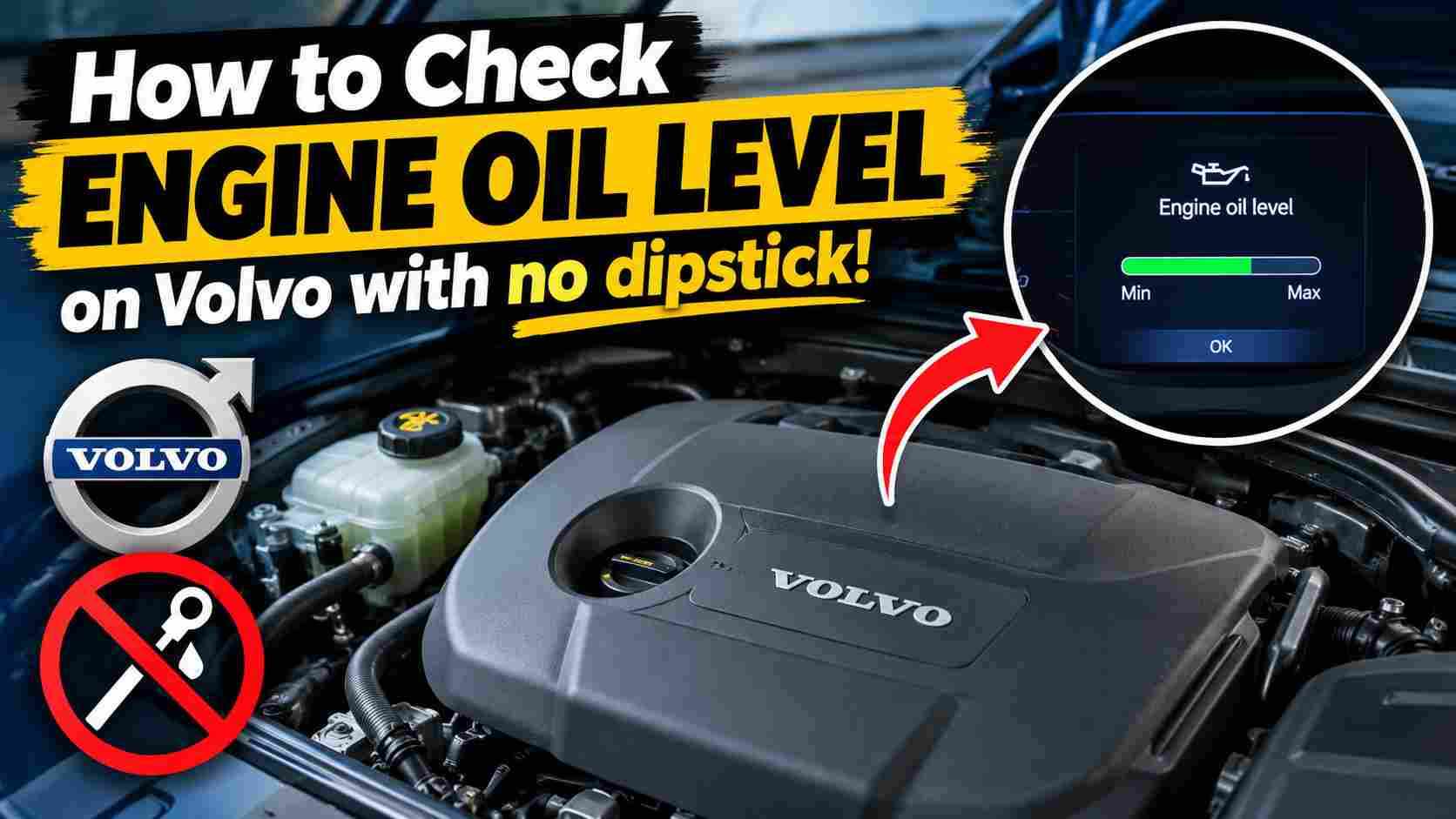
How to Check Engine Oil Level (Without a Dipstick) on Volvo S60, V60, S80, XC60, XC90, V40, V70 (2014–2019)
Learn how to check the oil level on Volvo S60, V60, S80, XC60, XC90, V40 and V70 models without a dipstick using the car’s electronic system, and what to do if the level is low.
HERE you can find Best Accessories for Volvo: https://amzn.to/3Z66iCl
HERE you find Accessories for Volvo at the LOWEST PRICES HERE: https://s.click.aliexpress.com/e/_DneINAl
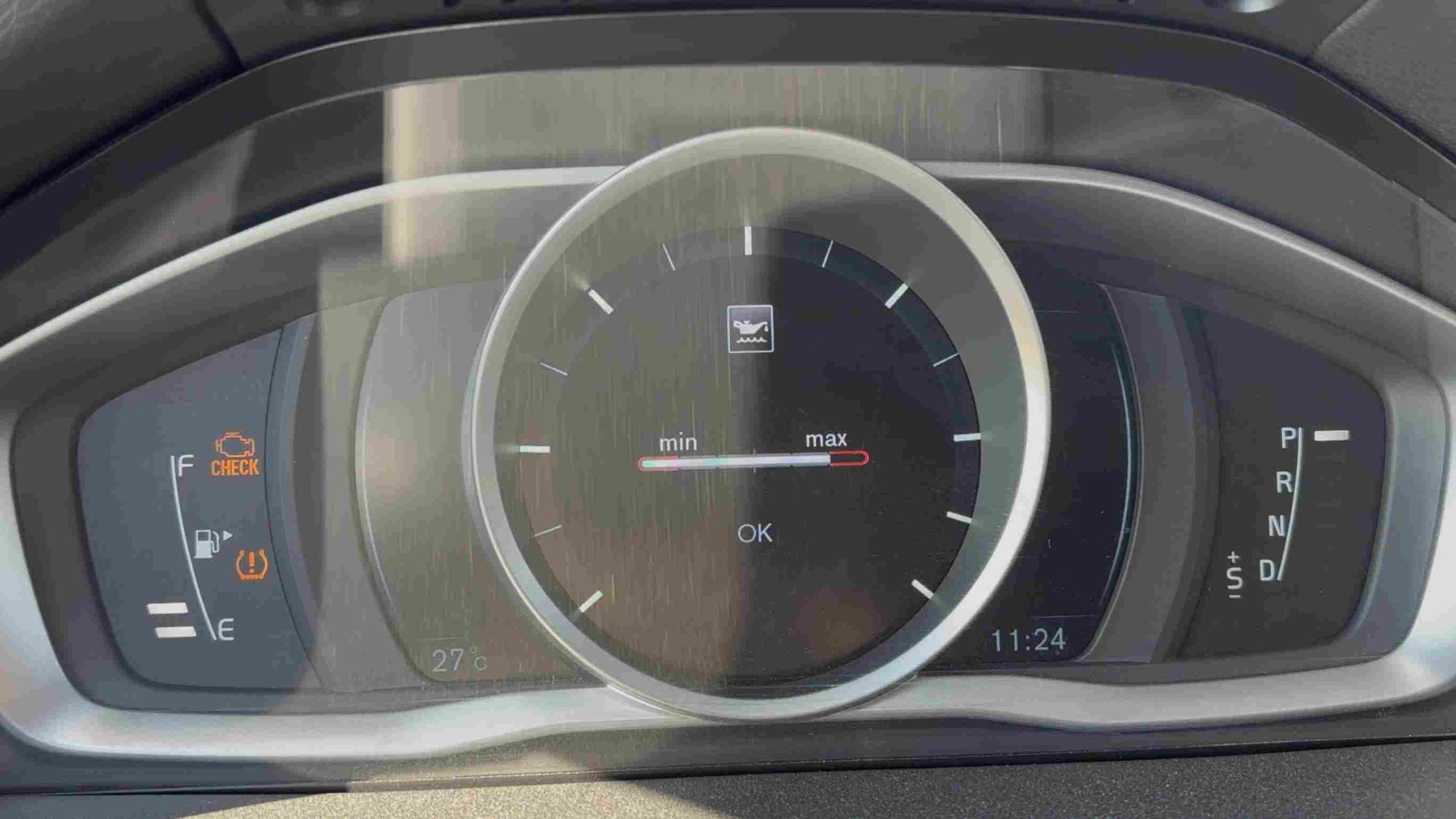
On certain Volvo models produced between 2014 and 2019, the engine oil level is not checked using a traditional dipstick. Instead, the vehicle is equipped with an electronic system that measures the oil level and displays the information on the dashboard screen.
This procedure applies to Volvo models such as the S60, V60, S80, XC60, XC90, V40, V70; however, menus and messages may vary depending on the model year, engine type, and trim level.
Why do some Volvo models lack an oil dipstick?
For certain Volvo engines, the manufacturer eliminated the dipstick in favor of an electronic sensor to measure oil levels. The system transmits this data to the car’s computer, allowing the driver to check the level via the instrument cluster or the central display.
It is important to note that the electronic measurement is not instantaneous in every situation. The vehicle must meet specific conditions to ensure the displayed reading is accurate.
How to check the oil level on a Volvo without a dipstick
Follow the steps below:
1. Park the car on a level surface and turn off the engine. Wait a few minutes for the oil to drain into the oil pan.
2. Switch on the ignition without starting the engine. Press the Start Stop Engine button again and hold it down slightly longer until the dashboard warning lights appear. You will use only the OK button and the knurled wheel on the turn signal stalk located to the left of the steering wheel.
3. Press twice on the OK button at the end of the stalk until you enter the main menu.
4. Scroll down using the knurled wheel until you reach „Oil level”.
5. Select „Oil level” by pressing the OK button and wait for the measurement result to appear.
Conditions required for an accurate measurement
For the electronic sensor to provide the most accurate reading possible:
- the car must be parked on level ground;
- the engine must have been turned off for a few minutes;
- the engine temperature must be suitable for measurement;
- the vehicle must not be tilted;
- you must not add oil before confirming the actual level;
- the battery must be in good condition, as the electronic system may malfunction if the voltage is low.
If the message „Oil level unavailable” appears on the screen, wait a few minutes and repeat the procedure.
What to do if the oil level is low?
If the system indicates a low level, top up the oil gradually:
- Turn off the engine.
- Open the oil filler cap.
- Add a small amount, approximately 200–300 ml.
- Wait a few minutes.
- Repeat the electronic measurement.
- Top up again only if necessary.
Do not pour in the entire amount of oil at once. Overfilling the engine can cause serious problems, including increased engine pressure, leaks, or damage to components.
What type of oil should be used? Use only oil that meets the specifications recommended for the vehicle’s engine.
Specifications may vary depending on:
– engine type;
– engine displacement;
– model year;
– diesel or petrol engine;
– emissions standard;
– service interval.
Precise information can be found in the owner’s manual, the vehicle’s technical documentation, or on the label of the oil used during the last service. It is not recommended to select oil based solely on viscosity (e.g., 5W-30 or 0W-30); the quality standard approved by Volvo must also be verified.
The difference between low oil level and low oil pressure
Oil level and oil pressure are two different things.
Low oil level: indicates that there is insufficient oil in the engine.
Low oil pressure: may indicate a problem with the oil pump, oil filter, sensor, or engine lubrication system.
If the red oil pressure warning light comes on, stop the engine immediately in a safe location. Do not continue driving until the issue has been checked. Running the engine without sufficient pressure can lead to major damage.
How often should the oil be checked?
Even though Volvo vehicles feature electronic oil level monitoring, the oil level should still be checked periodically:
- before a long trip;
- after a warning message appears;
- if you notice oil stains under the vehicle;
- if the engine is consuming more oil than usual;
- after a service or engine repair;
- when a warning light appears on the dashboard. Slight oil consumption can be normal for certain engines, but a sudden increase in consumption should be investigated at a service center.
Why is a visual check not recommended?
Without a dipstick, you cannot accurately determine the oil level simply by opening the filler cap. The oil is located in the engine sump, and its level cannot be visually assessed through the filler opening.
It is also not recommended to rely solely on the mileage covered since the last service.
Oil consumption can vary depending on driving style, traffic, temperature, and vehicle load and engine condition.
When should you visit a service center?
Have the vehicle checked at a service center if:
– the electronic system fails to display the oil level;
– a low-level warning appears frequently;
– the engine consumes excessive oil;
– you notice leaks;
– the red oil warning light comes on;
– the displayed level is inconsistent;
– you have topped up the oil, but the warning message persists;
– the engine makes unusual noises.
Sometimes, the issue may be caused by a faulty sensor, a software error, a leak, or an incorrect oil level.
Conclusion
For Volvo S60, V60, S40, XC60, and XC90 models manufactured between 2014 and 2019, the engine oil level can be checked electronically, even though the car lacks a traditional dipstick. To ensure an accurate reading, park on a level surface, turn off the engine, wait a few minutes, and access the dedicated menu on the onboard computer.
Top up the oil in small amounts and use only a product that meets the engine’s specifications. If the red oil pressure warning light appears or the level drops rapidly, stop the vehicle and contact a specialized service center.